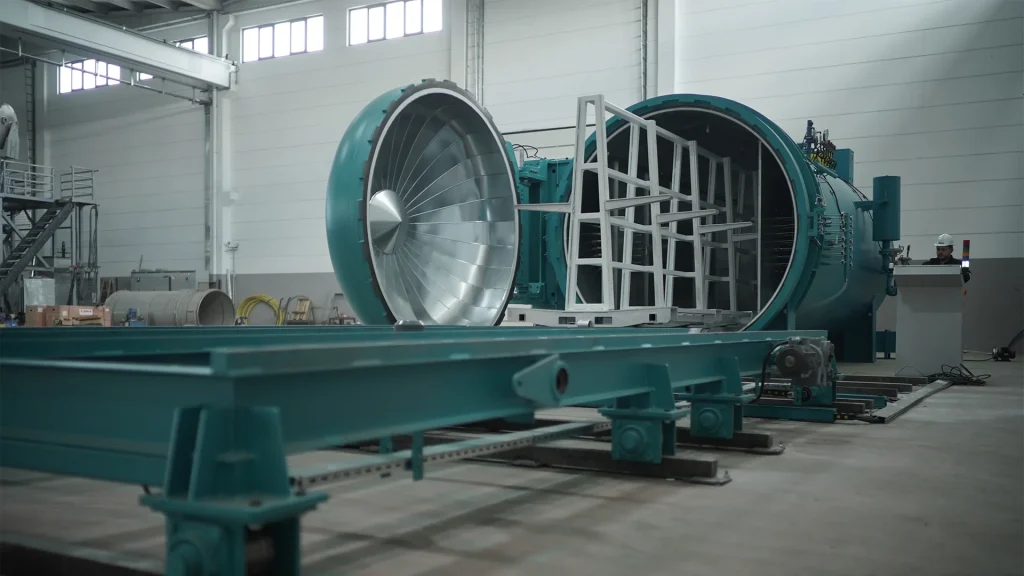
The Heart of Medical Waste Management: Sterilization and Autoclave Technology
Sterilization of medical waste by autoclave is a repeatable and verifiable engineering process that protects public health and environmental safety. The foundation of this technology lies in saturated steam condensing on the waste, efficiently transferring its latent heat to destroy microorganisms. The effectiveness of modern PLC-controlled autoclave systems is proven through Installation (IQ), Operational (OQ), and Performance (PQ) validations conducted in accordance with the ISO 17665 standard. The most critical step of this validation is the use of biological indicators containing Geobacillus stearothermophilus spores, considered the “gold standard” ; the success of these tests confirms that the sterility assurance level (SAL) has been achieved, guaranteeing the reliability of the entire process.
The Heart of Medical Waste Management: Sterilization and Autoclave Technology Read More »